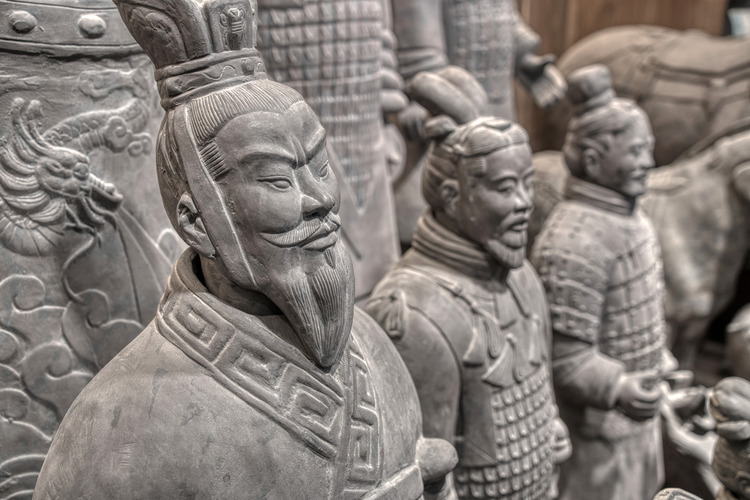
Burial tomb of China’s first emperor Qin. If ancient burial tombs were intended to preserve eternal life for their powerful guests, then we might say that the standard historical narratives concocted as mythologies by nations are designed to work pretty much the same way.

Our Strange History
Is the strange truer than fiction, and are nations weirder than their staid mythologies? This episode we put that question to the test by considering some of the mind-bendingly strange truths of the more distant past, as well as the nutty history happening in real time right outside our windows. So who you calling strange anyway? You better take a good look in history’s mirror with your HAG hosts and our very special guest this episode, to see how it all reflects. Sarah Schneewind, distinguished scholar of Chinese history at UC San Diego, joins us to chat about her East Asia history textbook, and why preparing students to “confront the very strange” in history builds empathy and bolsters critical thinking, altogether a good skill set for managing the strangeness of our contemporary world.
In the words of J.B.S Haldane, “reality is not stranger than you suppose, it is stranger than you can suppose.”
Click to hear Myths and Nations
Sources Referenced and Items of Interest
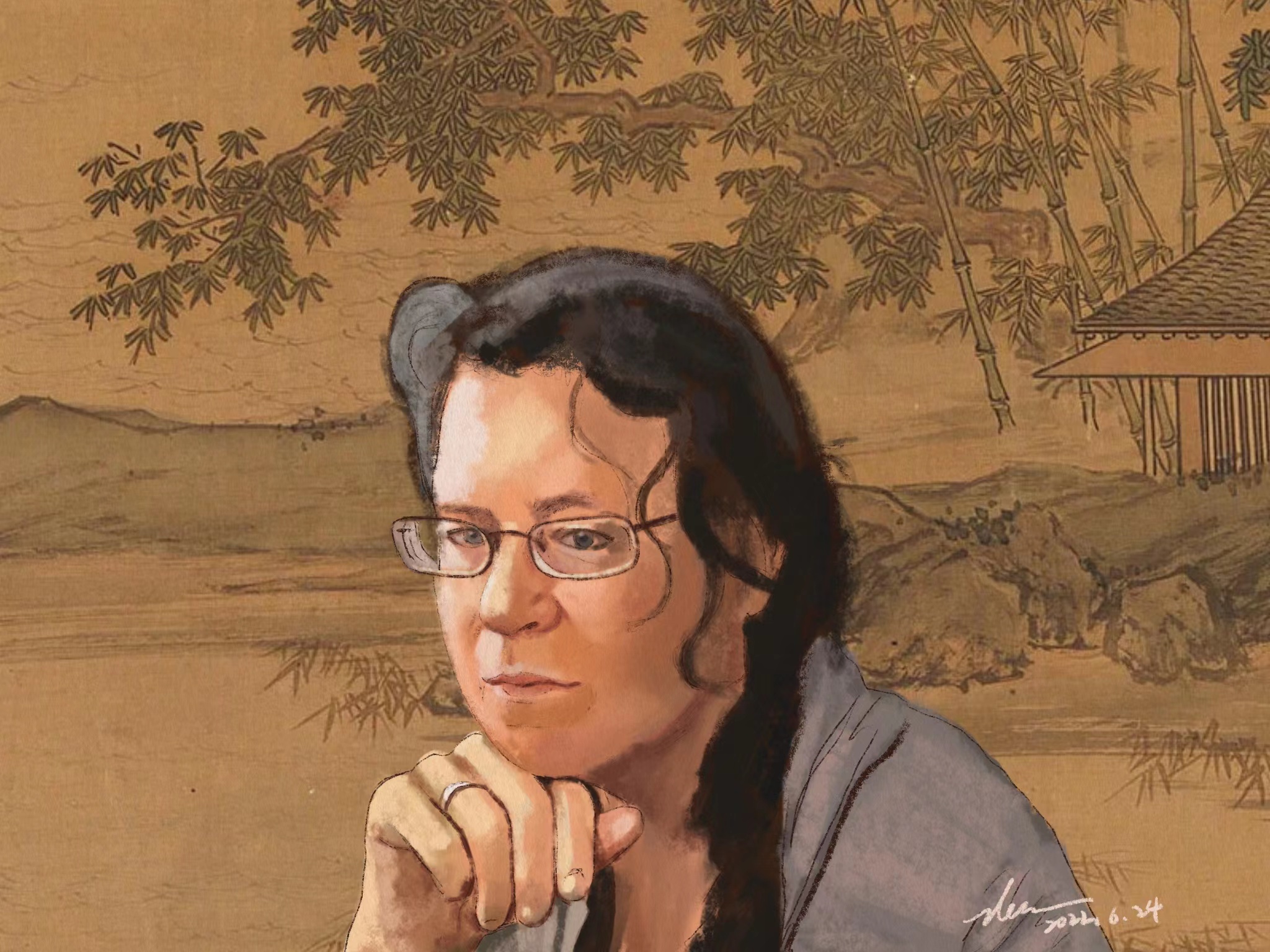
HAG guest: Professor Sarah Schneewind
Want to contact us?
Email us: Historyagainstthegrain@gmail.com
https://www.instagram.com/histatg
“All countries are prone to harbor a few illusions about their ancient history. They like to assert that their history began at the earliest date possible, and tend to characterize it as a grand and splendid history, uniquely distinct from all others.”
Kim Byung-Joon
 History Against the Grain